
Roofing blog
Can You Replace Just Part of a Roof?
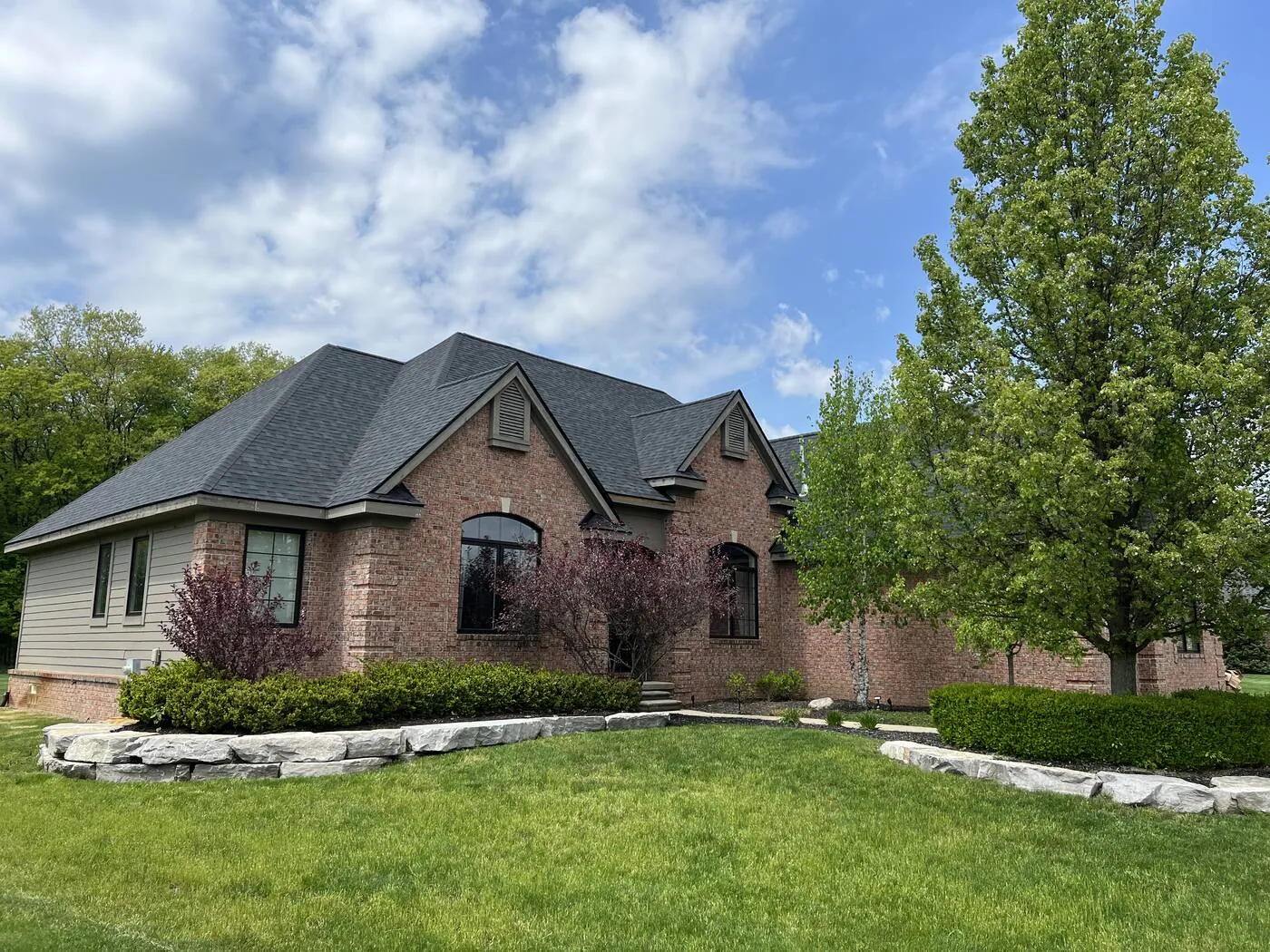
Yes, a single slope or section of a roof can be replaced on its own, and in the right situation it is a sound choice. It works best when the damage is limited to one area, the rest of the roof is relatively young and the new shingles can be tied in cleanly. On an older roof, a partial replacement usually leaves you with a patchwork that does not match and a remaining roof that will need replacing soon anyway.
What partial roof replacement means
A partial replacement removes the shingles, underlayment and flashing down to the deck on one defined part of the roof, such as one side of a gable, a garage roof, a porch roof or the section over an addition, and installs a new roof system on that section. It is larger than a repair, which replaces a few shingles or one flashing detail, and smaller than a full replacement. The new section has to be woven into or flashed against the old roof where they meet.
When a partial replacement makes sense
- Damage limited to one slope, such as a tree limb that came down on one side or wind damage confined to the side that faced the storm
- A roof that is still relatively young, with the rest of the slopes in good condition
- A separate roof section that naturally divides from the rest, such as a detached garage, a porch roof or an addition
- A section that was roofed incorrectly, such as a low-slope porch roof installed without the underlayment it needed
- Shingles that are still available in the same product line and a close color
When it usually does not make sense
Most of the time, the side of the roof that fails first is the side that gets the most sun, wind or shade. The other slopes are the same age, made of the same shingles and going through the same Michigan winters. When one side of a twenty-year-old roof is failing, the other side is usually not far behind. Replacing half now often means replacing the other half in a few years, with two separate projects, two rounds of disruption and two roofs that never quite match.
A full replacement is usually the better choice when:
- The roof is past about twenty years, or the original shingles on a 1990s or 2000s home are still in place
- Several slopes show curling, cracking or heavy granule loss, even if only one is leaking
- The decking is soft along the eaves on more than one side, a common result of years of ice dams
- The original shingle line has been discontinued and a match is not possible
- The attic ventilation needs correcting, which is a whole-roof system
The matching problem
New shingles will not exactly match old ones, even in the same color name. Shingles weather over time as the granules fade and wear, and manufacturers refine their colors and profiles. On a slope you cannot see from the street, a slight difference may not matter to you. On the front of the house, a visible line where new meets old is noticeable, and that difference can stand out when you go to sell. We bring samples to compare against your existing roof so you can see the difference before you decide.
Tying new to old
The place where the new section meets the old one is the most important detail in a partial replacement. At a ridge or a hip, the new shingles are capped together cleanly. In a valley, the new and old slopes need to be woven or flashed properly, with ice and water barrier underneath. Where a section is replaced in the middle of a slope, old shingles have to be lifted without tearing so the new courses can be tucked under them. That is careful work, and a rushed tie-in is a common source of leaks.
Permits and warranties
Whether a partial re-roof needs a permit depends on your municipality and the scope of the work, and in Livingston County the answer can differ from one side of a township line to the other. Any contractor working here should know which building department covers your address. Manufacturer system warranties are generally designed around a complete roof system, so a partial replacement may not qualify for the same coverage as a full one. We will tell you exactly what coverage applies before any work starts.
How we help you decide
We look at every slope, not just the one that is leaking, check the attic and the decking condition and tell you honestly which option fits your roof. If a roof repair will solve the problem, we say so. If a partial replacement on a garage or porch roof makes sense, we do it with the same materials and care as a full roof. And when the whole roof is due, we explain why. A full roof replacement from us is installed as a complete Owens Corning system and registered in your name, which we can do as an Owens Corning Platinum Preferred Contractor. Our post on deciding between repair and replacement walks through the questions we ask.
Partial roof replacement questions
Can you replace one side of a roof?
Yes. It works best when the rest of the roof is relatively young and the shingles can be matched closely. On an older roof, the other side usually needs replacing soon after.
Will new shingles match my old roof?
Not exactly. Older shingles have weathered, and colors and profiles change over time. The difference is often visible, especially on the front of the house.
Is a garage or porch roof considered a partial replacement?
Yes. A separate roof section like a detached garage, porch or addition is often the most practical candidate for replacing on its own.
Does replacing part of a roof affect my warranty?
It can. Manufacturer system warranties are generally built around a complete roof, so ask your contractor what coverage the new section will carry.
Get an honest look at every slope
If one part of your roof is giving you trouble, we will inspect all of it and give you a written recommendation with photos: repair, partial replacement or full replacement. The inspection is free in Howell, Brighton, Hartland and across Greater Southeast Michigan, and our inspectors are HAAG Certified. Call On Top Roofing at (810) 588-3933 or request your free estimate.