Roofing blog
Squirrels, Raccoons and Birds: How Animals Damage Michigan Roofs
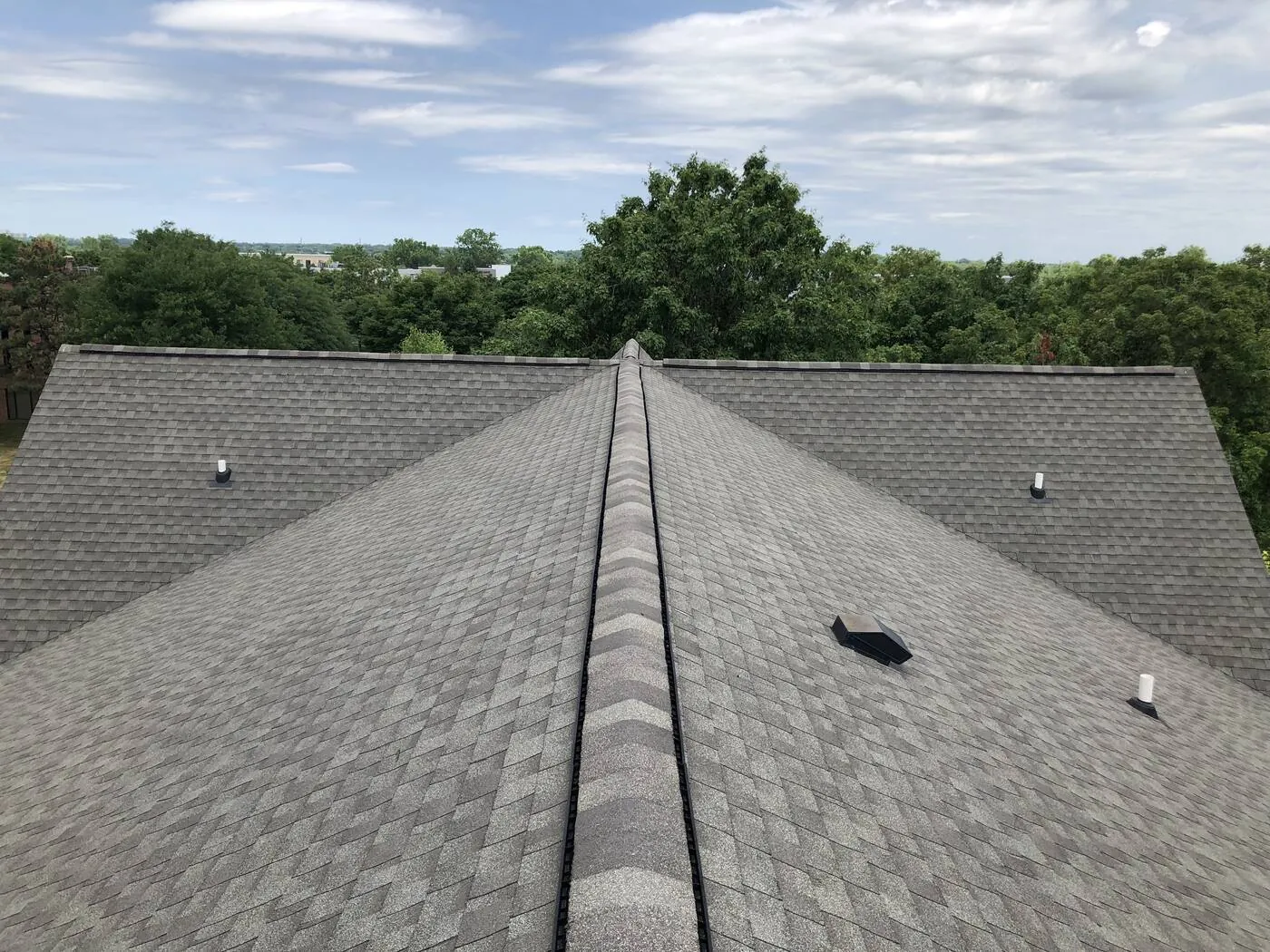
Squirrels and raccoons damage roofs by chewing or tearing their way through the weakest points: roof vents, pipe boots, soffit panels, fascia corners and the gaps around chimneys and dormers. In Michigan, fall is when it happens most, because animals are looking for a warm, dry place to spend the winter. The damage often starts small, but any opening that lets an animal in also lets water in.
Why fall is the busy season
As the nights get cold, squirrels look for a sheltered spot to build a winter nest, and an attic is warmer and drier than any tree cavity. Raccoons look for a den for the winter and, later, for raising young in late winter and spring. Bats and birds look for gaps under the roof edge. Homes on wooded lots, which describes much of Livingston County from Pinckney and Hamburg to the lake neighborhoods around Brighton and Hartland, are the easiest targets because overhanging branches give animals a bridge straight onto the roof.
How each animal damages a roof
Squirrels
Squirrels chew. Their teeth grow constantly, and soft roofing materials are an easy target. They gnaw through plastic box vents and ridge vents, chew the rubber collars off pipe boots, enlarge gaps at the corners where the fascia meets the soffit, and chew holes in the edges of shingles near a gap. Once inside, they shred insulation for nesting material and can chew on wiring.
Raccoons
Raccoons are strong and use their front paws to pry. They tear up shingles and underlayment to reach the deck, rip off roof vents and pull soffit panels down. A raccoon can open a hole the size of a dinner plate in one night, usually near the eaves, at a roof-to-wall joint or where a low roof meets a second story. Their weight can also crush the top of a gutter they climb.
Birds and woodpeckers
Starlings and sparrows nest inside exhaust vents and behind loose soffit panels, which blocks the airflow your attic depends on. Woodpeckers drum on wood fascia, trim and siding, and sometimes on hollow-sounding vents, leaving holes that let water in.
Bats
Bats do not chew, but they slip through gaps as small as a finger width at the roof edge, around chimneys and at ridge vents. Bats are protected and play a valuable role, so removal and exclusion should be handled by a qualified wildlife professional who follows Michigan's rules.
Signs animals have been on or in your roof
- Scratching, scurrying or thumping in the attic or ceiling, especially early morning and at dusk
- Chewed or missing roof vent covers, or a vent that has been pushed to one side
- A pipe boot with a ragged, chewed collar
- Torn or lifted shingles near the eaves or along a roof-to-wall joint
- Dropped soffit panels or holes in the corners of the soffit and fascia
- Droppings, nesting material or shredded insulation in the attic
- Water stains appearing below a spot where animals have been active
Get the animals out first, then fix the roof
The order matters. Sealing an opening with an animal still inside can trap it, and a trapped squirrel or raccoon will chew or tear a new way out, often causing more damage. Michigan also has specific rules about trapping and relocating wildlife, and protected species such as bats have their own requirements. A licensed wildlife control company can confirm the animals are out, typically using one-way exclusion doors, and handle them legally. Once they are gone, the roof repairs can be done properly.
How we repair animal damage
Once the attic is clear, the repair depends on what was damaged. A chewed vent or pipe boot is replaced. Torn shingles and underlayment are replaced and the deck underneath is checked, since animals often get in where the wood was already soft. Soffit and fascia corners are rebuilt and closed. On a roof that is otherwise healthy, that is a targeted roof repair. On an older roof, animal damage is often the moment a homeowner decides to replace the roof rather than patch it again.
How to keep animals off your roof
- Trim branches back so they are well away from the roof. This is the single most effective step.
- Keep gutters clean so they do not hold nesting material and standing water.
- Cap chimneys with a proper chimney cap and screen.
- Replace damaged or plastic vents with sturdier vents and screened openings.
- Have the corners where the fascia meets the soffit checked and closed tight.
- Fix small gaps and loose panels before fall, not after an animal has found them.
When we install a new roof, we close the gaps at the roof edges with new drip edge, install new pipe boots and vents and make sure the soffit and ridge openings are screened as designed. That is part of every roof replacement we install as a complete Owens Corning system, registered in your name through our Owens Corning Platinum Preferred certification.
Animal damage questions
Can a squirrel really chew through a roof?
Squirrels usually chew at an existing weak point, such as a plastic vent, a pipe boot or a soft fascia corner, rather than through a sound roof deck. Those weak points are common, which is why squirrel damage is common.
Should I call a roofer or a wildlife company first?
If animals are inside, call a licensed wildlife control company first to get them out safely and legally. Then have a roofer repair the entry points and check for water damage.
Can animal damage cause a roof leak?
Yes. Any hole an animal makes in the roof, a vent or a pipe boot is a path for rain and snowmelt, and those leaks often go unnoticed until stains appear.
Do metal vents stop squirrels?
Sturdier metal vents with screens are much harder for squirrels to chew through than thin plastic ones, and they are a good upgrade on roofs with repeated squirrel trouble.
Have the damage checked before winter
If you have heard animals in the attic or found a chewed vent, we will inspect the entry points and the roof around them, photograph what we find and give you a written plan for the repairs. Inspections are free in Howell, Brighton, Hartland and across Greater Southeast Michigan. Call On Top Roofing at (810) 588-3933 or request your free estimate.