
Roofing blog
What Actually Happens on Roof Replacement Day: A Walkthrough From a Howell Crew
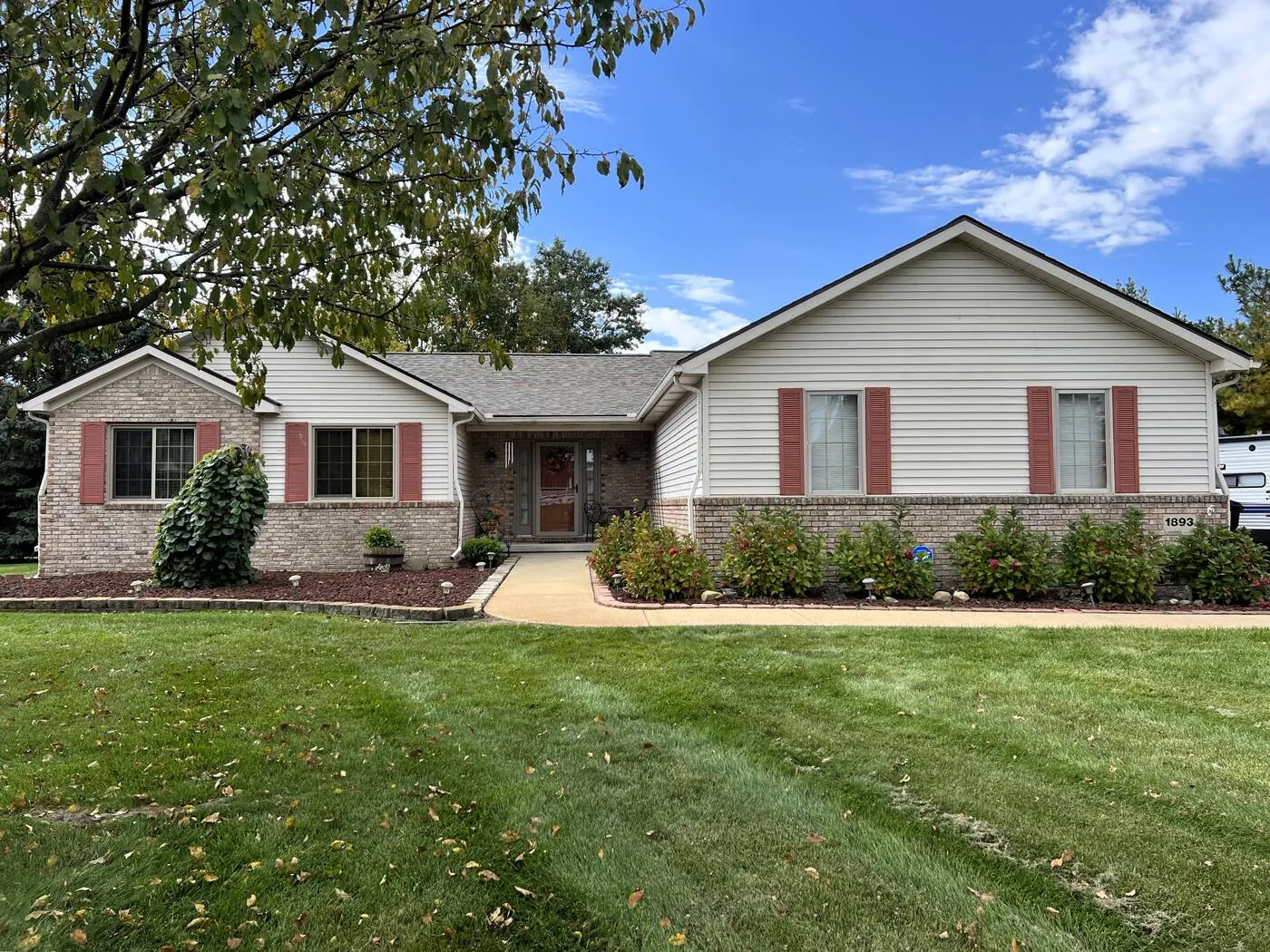
Most homeowners have never watched a roof get replaced. They know a truck shows up and a day later there is a new roof. Here is what happens in between, hour by hour, on a typical single-family home in Howell, Brighton or Hartland. Knowing the sequence makes the day easier, and it tells you what a good crew should be doing.
Before the crew arrives
A day or two ahead, the material is delivered. On most homes the shingles are loaded directly onto the roof by a boom truck so the crew is not carrying bundles up ladders. The dumpster arrives the same day or the morning of. We confirm with you where both go, usually the driveway, and we put down protection under the dumpster so it does not mark the concrete.
Your part: move vehicles out of the garage and driveway the night before, because you will not be able to get them out once the dumpster is in place. Take pictures and anything fragile off the walls on the top floor, because tear-off vibrates the house. Cover anything in the attic you care about. Let us know about pets, and plan for the noise. It is loud.
7:00 to 7:30 — setup
The crew arrives, walks the property with the foreman, and sets up. Tarps go over landscaping, the AC unit, decks and anything under the eaves. Plywood goes against windows on the tear-off side. Ladders are set and tied off, and on steep roofs, jacks and planks go up. The foreman confirms the shingle color and the scope against the work order.
7:30 to late morning — tear-off
The old roof comes off with tear-off shovels and forks, starting at the top of one slope and working down. Old shingles, felt and nails go straight into the dumpster, usually by way of chutes or a tarp slide so debris is not thrown across the yard. Vents, old flashing and any rotten drip edge come off too. On a typical Howell colonial with one layer of shingles, tear-off on the whole roof is done by mid-morning. Two layers take longer.
This is the point where we learn what is under the roof. Once the deck is bare the foreman walks every sheet, marks anything soft, and photographs it. If there is more damaged decking than the estimate allowed for, you get a call with photos before we replace it. Nobody likes surprises after the fact.
Late morning — dry-in
New decking goes in where needed and the deck is re-nailed where the original nailing was light. Then the roof gets dried in, which means it is protected from rain before a single shingle goes on. Ice and water barrier goes down at the eaves, in the valleys, around every penetration and along the rakes on exposed sides. Synthetic underlayment covers the rest. Drip edge is installed on every eave and rake. At this point, if a storm rolls in, your house is protected.
Midday into afternoon — shingling
Starter strip goes on first along the eaves and rakes. Then the field shingles, course by course, chalk-lined straight, nailed in the manufacturer's nailing zone with the correct number of nails. Valleys are done as the courses reach them. Step flashing is woven into each course at every sidewall. Pipe boots go on the plumbing stacks. Chimneys get new step and counterflashing. Skylights get their flashing kits.
The ridge is last. Old box vents are gone; the ridge is cut open and a continuous ridge vent is installed, then capped with hip and ridge shingles. When you look up at the finished roof and the ridge line is dead straight, that is the crew taking their time on the last two hours of the day.
Afternoon — cleanup
Tarps come up and the debris on them goes in the dumpster. Gutters are cleaned of tear-off grit. Then the magnets come out. Rolling magnets go over every part of the lawn, the driveway, the flower beds and the street in front of the house. Then they go over it again. The foreman walks the property one last time and the ladders come down. On most single-family homes, the crew is gone by late afternoon and the dumpster is picked up within a day or two.
What to check when they leave
- Walk the yard yourself. If you find a nail, call us. We will come back with a magnet.
- Look at the ridge line from the street. It should be straight.
- Look at the eaves. Drip edge should be visible and the first course should sit evenly over it.
- Look up at the attic from the hatch on the next sunny day. You should not see daylight anywhere except at the ridge vent.
The days after
The township inspector comes out to sign off on the permit. We register the manufacturer warranty in your name and send you the documents. If you installed an Owens Corning system with us, that includes the Platinum Protection warranty registration. And then you forget about your roof for a long time, which is the point.
Ready to see your own roof done this way? Request a free inspection and we will schedule the day.