
Roofing blog
Roofing Warranties Explained: Manufacturer, Workmanship and Owens Corning System Coverage
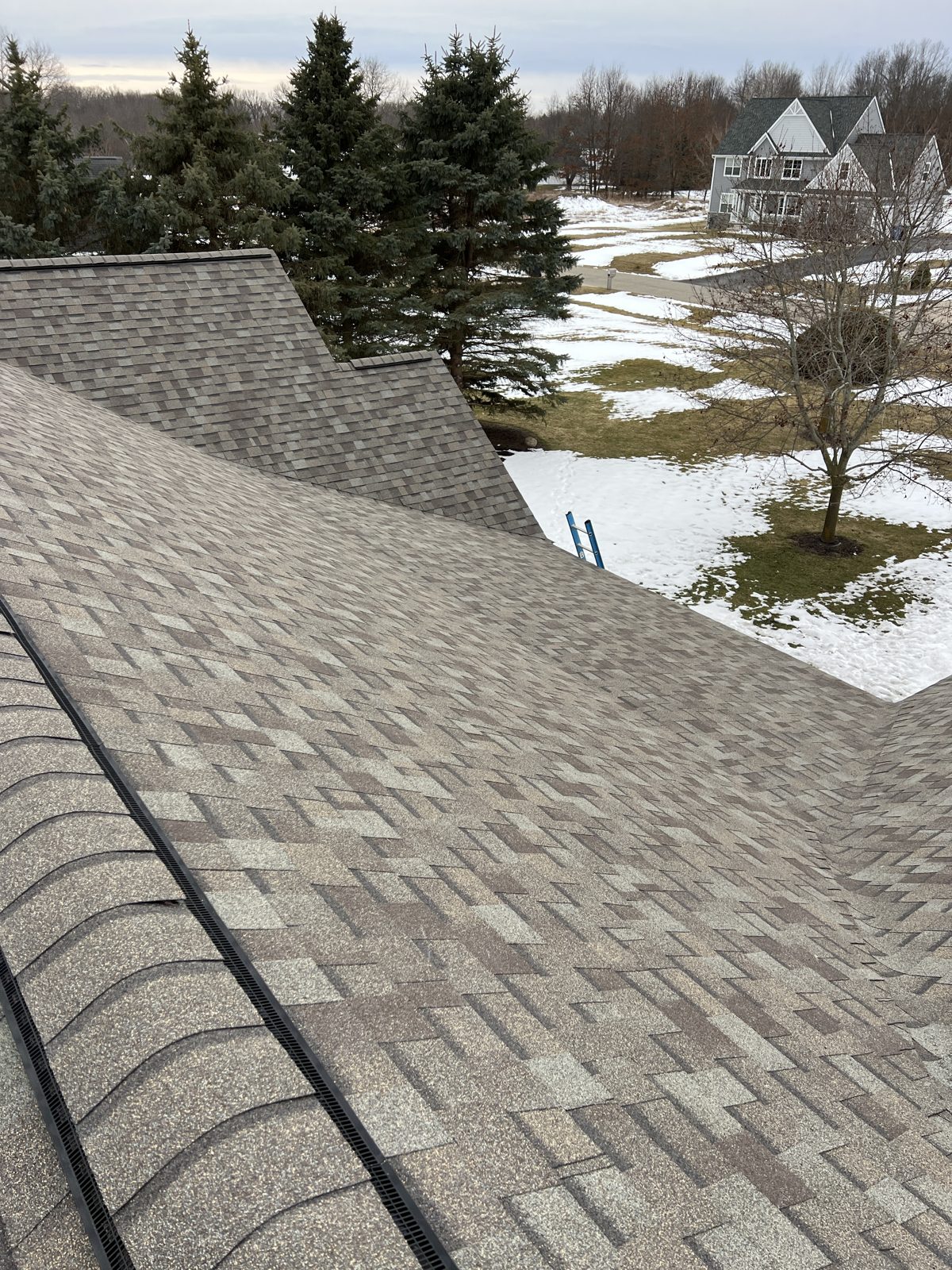
A new roof can carry three different kinds of warranty: a manufacturer's warranty on the shingles, a workmanship warranty on the installation, and, when the contractor is certified to offer it, a manufacturer-backed system warranty that covers the whole roof assembly and the workmanship together. The system warranty is the strongest, and only top-tier certified contractors can register it.
Most homeowners never read their roofing warranty until something goes wrong, and that is the worst possible time to learn what it says. The word "lifetime" on a shingle bundle does not mean what most people assume, and a lot of roofs in Livingston County are carrying warranties that were quietly voided years ago. This guide explains what each kind of warranty covers, how Owens Corning's warranty levels work, and how to keep your coverage intact.
The three kinds of roofing warranty
1. The standard shingle warranty
Every bundle of shingles comes with the manufacturer's limited warranty. It covers manufacturing defects in the shingles themselves: shingles that crack, blister, lose granules prematurely or fail because of how they were made. It does not cover how they were installed, and it does not cover the other parts of the roof.
Two details matter more than the headline number. First, "limited lifetime" usually means coverage for as long as the original owner owns the home, with full coverage for an initial period and coverage that steps down after that. Second, the standard warranty covers the shingles. It does not cover the underlayment, ice barrier, flashing, ventilation or labor in most cases.
2. The contractor's workmanship warranty
The workmanship warranty is the contractor's promise about the installation itself: nailing, flashing, ventilation, details at walls, chimneys and valleys. Since most roof failures on newer roofs come from installation errors rather than defective shingles, this is the warranty that matters most in the first decade.
Its weakness is that it is only as good as the company behind it. A workmanship warranty from a contractor who closes up shop, changes names or leaves the state after a storm season is worth nothing. That is why who backs the workmanship coverage matters as much as how long it runs.
3. The manufacturer system warranty
A system warranty is issued by the shingle manufacturer, covers the shingles and the matching accessory components installed as a complete system, and at the highest levels includes workmanship coverage backed by the manufacturer, not just the contractor. Only contractors who have earned the manufacturer's certification can register these warranties, and the roof has to be installed to the manufacturer's specifications with the manufacturer's components.
How Owens Corning's warranty levels work
Owens Corning, the manufacturer we install, offers its standard shingle limited warranty on every roof and a set of system warranties that step up with the contractor's certification level. The higher the contractor's tier in the Owens Corning network, the stronger the warranty they can register.
The top level is the Platinum Protection Limited Warranty, which can only be offered by Owens Corning Platinum Preferred Contractors. On a qualifying roof installed with the required Owens Corning components, it provides non-prorated material coverage for up to 50 years and workmanship coverage backed by Owens Corning for up to 25 years, covering the system components, not just the shingles. The exact terms, eligible products and requirements are set out in Owens Corning's warranty documents, and your contractor should give you the specific warranty and registration for your roof in writing.
We are an Owens Corning Platinum Preferred Contractor, a designation held by roughly one percent of roofing contractors, which is what allows us to register Platinum Protection for our customers. You can read what the designation requires in our post on what it means to be an Owens Corning Platinum Preferred contractor.
What a system warranty requires from the installation
A system warranty is not a sticker added at the end. It changes how the roof has to be built. On an Owens Corning system roof, that typically means:
- Owens Corning shingles plus the required Owens Corning accessory components, such as starter strip, hip and ridge shingles, underlayment, ice and water barrier and ventilation products
- Installation to the manufacturer's written specifications, including nailing pattern and ventilation
- A complete tear-off rather than a layover over old shingles
- Registration of the warranty by the certified contractor after the job is complete
That last step is easy to miss. A roof installed with all the right products but never registered is a roof with only the standard shingle warranty. Ask for proof of registration in your name.
What warranties do not cover
Even the strongest warranty is not insurance. Roofing warranties generally do not cover:
- Storm damage. Hail, wind beyond the shingle's rated limits, fallen trees and similar events are matters for your homeowner's insurance, not your roofing warranty.
- Normal weathering. Gradual aging and color change over decades are expected.
- Damage from other trades. A satellite installer, a solar crew or an HVAC contractor who cuts or penetrates the roof can create leaks that the roofing warranty does not cover.
- Lack of maintenance. Debris left in valleys, clogged gutters that back water under the eaves, or moss left to grow in the shingle courses can be grounds to deny a claim.
- Problems that come from the house rather than the roof, such as attic condensation from bath fans vented into the attic.
Seven common ways homeowners void a roofing warranty
- Pressure washing the roof. High-pressure water strips granules and is specifically warned against by the Asphalt Roofing Manufacturers Association. Our post on black streaks and moss on Michigan roofs explains the safe cleaning method.
- Letting someone else drill through the roof for a dish, antenna, solar panels or a new vent without coordinating with your roofer.
- Layering a new roof over an old one. System warranties are written around a complete installed system over a sound deck. Our article on shingling over an old roof covers why.
- Blocking attic ventilation. Covering soffit vents with insulation or adding mismatched exhaust vents after the fact can cause the heat and moisture problems warranties exclude. See our guide to attic frost, condensation and ventilation.
- Mixing brands or components during a later repair.
- Never registering the warranty, or losing track of whether it was registered.
- Not transferring the warranty when the home sells, if the warranty allows transfer. Most transferable warranties require the new owner or the seller to notify the manufacturer within a set window after the sale.
Warranties and selling your home
A registered, transferable system warranty is a genuine selling point. Buyers and their inspectors want to know the roof's age, who installed it and what coverage remains. A seller who can hand over the registered warranty and the installation paperwork answers those questions before they become a negotiation. If you are buying, ask for the warranty documents during your inspection period. Our guide to buying or selling a home with an aging roof covers the rest of that conversation.
Questions to ask about any roofing warranty
- Which warranty will you register for my roof, and will I receive the registration in my name?
- Does the warranty cover only the shingles, or the full system of components?
- Who backs the workmanship coverage: the contractor alone, or the manufacturer?
- How long does full, non-prorated coverage last?
- Is the warranty transferable if I sell, and what is the process?
- What maintenance or actions would void it?
Frequently asked questions
What does a lifetime shingle warranty actually mean?
Usually it means coverage for as long as the original owner owns the home, with full coverage for an initial period and reduced coverage after that. It covers manufacturing defects in the shingles, not installation errors or other roof components.
What is the difference between a manufacturer warranty and a workmanship warranty?
A manufacturer warranty covers defects in the materials. A workmanship warranty covers mistakes in how the roof was installed. A manufacturer system warranty at the highest level combines both, with the workmanship coverage backed by the manufacturer.
Who can offer the Owens Corning Platinum Protection warranty?
Only Owens Corning Platinum Preferred Contractors, the top tier of Owens Corning's contractor network, can register the Platinum Protection Limited Warranty.
Does my roofing warranty cover hail or wind damage?
Generally no. Storm damage is handled through your homeowner's insurance policy. Your insurance agent can explain what your policy covers.
Can I transfer my roof warranty when I sell my house?
Many system warranties are transferable, usually with notice to the manufacturer within a set time after the sale. Check the transfer terms in your warranty document.
Get the strongest warranty available for your home
Residential roof replacement is our specialty, and every roof we install is built as a complete Owens Corning system so it qualifies for the strongest coverage Owens Corning offers. We serve Livingston County and Greater Southeast Michigan, and we will walk you through exactly which warranty your roof will carry before any work starts. Call (810) 588-3933 or request a free inspection with the form on this page.